

Introduction
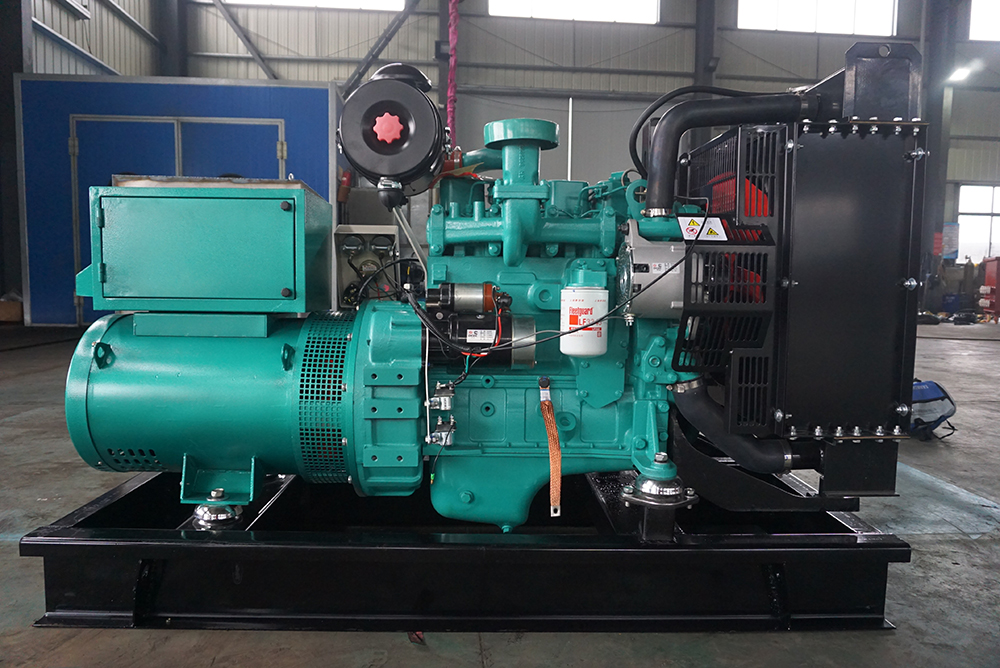
Diesel generators play a crucial role in providing backup power during emergencies or in areas where the main power grid is unreliable. https://www.lkpowerplant.com/how-to-calculate-the-efficiency-of-a-diesel-generator/ are widely used in various industries, commercial establishments, and residential buildings to ensure uninterrupted power supply. However, simply owning a diesel generator is not enough; it is essential to regularly test and maintain its performance to ensure optimal operation when needed. Performance testing of diesel generators helps in identifying potential issues, ensuring efficiency, and increasing the overall reliability of the generator. In this article, we will delve into the importance of performance testing for diesel generators, the various methods used for testing, and the key parameters to monitor.
Importance of Performance Testing
Performance testing is a critical aspect of diesel generator maintenance and operation. Regular testing helps in assessing the health and reliability of the generator, identifying any potential problems, and ensuring that the generator can deliver the required power output when needed. Here are some key reasons why performance testing is essential for diesel generators:
1. Reliability: Diesel generators are often relied upon during power outages and emergencies. Regular performance testing helps in ensuring that the generator will start and operate reliably when needed, minimizing downtime and disruptions.
2. Efficiency: Performance testing allows operators to assess the efficiency of the generator in converting fuel into electrical power. By monitoring key parameters during testing, operators can identify any inefficiencies and take corrective actions to improve fuel efficiency and reduce operating costs.
3. Compliance: Many industries and commercial establishments are required to comply with regulatory standards for backup power systems. Performance testing helps in ensuring that the diesel generator meets these standards and requirements.
4. Safety: Faulty diesel generators can pose safety risks due to issues such as overheating, fuel leaks, or electrical malfunctions. Performance testing helps in identifying potential safety hazards and addressing them before they escalate.
Methods of Performance Testing
There are several methods used for performance testing of diesel generators, each serving a specific purpose and providing valuable insights into the generator's operation. Some of the common methods of performance testing include:
1. Load Bank Testing: Load bank testing is a method of testing a generator under load conditions to assess its performance and capacity. A load bank simulates the electrical load that the generator would experience during normal operation, allowing operators to test the generator's ability to handle varying loads and verify its power output capacity.
2. Fuel Consumption Testing: Fuel consumption testing involves monitoring the amount of fuel consumed by the generator under different load conditions. By measuring fuel consumption, operators can assess the efficiency of the generator and identify any abnormal fuel usage that may indicate a problem.
3. Voltage and Frequency Testing: Voltage and frequency are critical parameters that need to be monitored during performance testing. Voltage testing ensures that the generator is providing the correct voltage output, while frequency testing verifies that the generator is operating at the specified frequency (usually 50 Hz or 60 Hz).
4. Thermal Imaging: Thermal imaging is a non-invasive method of testing that allows operators to detect overheating or hotspots in the generator components. By using a thermal imaging camera, operators can identify potential issues such as overheating of electrical connections, cooling system problems, or excessive heat buildup in critical components.
Key Parameters to Monitor
During performance testing of diesel generators, several key parameters need to be monitored to assess the generator's performance and identify any issues. These parameters include:
1. Power Output: Power output is a crucial parameter that needs to be monitored during performance testing. Operators should verify that the generator can deliver the required power output under varying load conditions and ensure that it meets the specified power rating.
2. Voltage and Frequency: Voltage and frequency testing is essential to ensure that the generator is operating within the acceptable limits. Deviations in voltage or frequency can indicate potential issues with the generator or the connected load.
3. Fuel Consumption: Monitoring fuel consumption during testing helps in assessing the efficiency of the generator and identifying any abnormal fuel usage that may indicate a problem such as fuel leaks or inefficient operation.
4. Temperature: Temperature monitoring is critical to detect overheating in the generator components. By monitoring temperatures at key points such as the engine, alternator, and cooling system, operators can identify potential issues and prevent component failures.
5. Oil Pressure: Oil pressure is another important parameter that needs to be monitored during performance testing. Low oil pressure can indicate issues such as oil leaks, worn-out components, or improper lubrication, which can lead to engine damage if not addressed promptly.
Conclusion
Performance testing of diesel generators is essential for ensuring reliable operation, efficiency, and compliance with regulatory standards. By regularly testing key parameters such as power output, voltage, frequency, fuel consumption, temperature, and oil pressure, operators can identify potential issues, optimize performance, and increase the overall reliability of the generator. Implementing a comprehensive performance testing program can help in maximizing the lifespan of the generator, reducing operating costs, and ensuring uninterrupted power supply when needed. Remember, a well-maintained diesel generator is a reliable backup power source that can provide peace of mind during emergencies and power outages.